
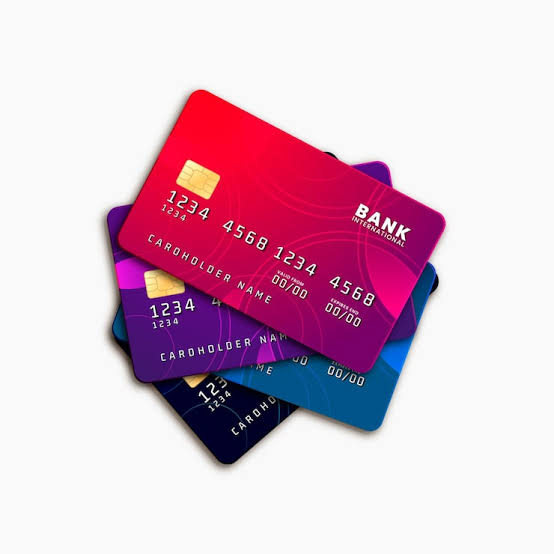
A credit card is one of the most commonly used financial tools in the world. Unlike a debit card, which deducts money directly from your bank account, a credit card allows you to borrow money from the card issuer up to a pre-approved credit limit. You can use this borrowed money for shopping, online purchases, travel bookings, bill payments, and many other expenses. If you repay the amount within the interest-free period, you generally do not pay any interest on those purchases. However, if you carry a balance beyond the due date, interest charges may apply according to your card agreement.
What Is a Credit Card?
A credit card is a payment card issued by a bank or financial institution. Every approved card comes with a credit limit based on factors such as your income, credit history, and financial profile. Each time you make a purchase, the amount is added to your outstanding balance. At the end of the billing cycle, the issuer sends a statement showing your transactions, total amount due, minimum payment, and payment due date.
Card networks such as Visa, Mastercard, American Express, and Discover process payments between merchants and financial institutions, while the issuing bank manages your account and billing.
How Does a Credit Card Work?
When you use your credit card, the merchant receives payment through the card network. The amount is then added to your credit card account. At the end of your billing cycle, you receive a statement listing all transactions.
You usually have an interest-free grace period if you pay your full statement balance by the due date. Paying only the minimum amount keeps your account in good standing but usually results in interest charges on the remaining balance.
Main Features of Credit Cards
A credit card typically includes several important features:
– A fixed credit limit approved by the issuer.
– Monthly billing statements.
– An interest-free grace period on eligible purchases when the full balance is paid on time.
– Secure online and in-store payment options.
– Contactless payment capability on supported cards.
– Fraud monitoring and security protections.
– Reward programs such as cashback, travel points, or miles on eligible purchases.
The exact features vary depending on the issuer and the specific credit card.
Benefits of Using a Credit Card
Builds Credit History
Using a credit card responsibly and paying bills on time can help establish a positive credit history. A strong credit history may improve your chances of qualifying for future loans or other financial products, depending on your country’s credit reporting system.
Convenience
Credit cards are widely accepted for online shopping, hotel reservations, airline bookings, subscriptions, and international purchases. Many merchants also support contactless payments for faster transactions.
Rewards and Cashback
Many cards offer rewards on eligible purchases. Depending on the card, these rewards may include cashback, reward points, airline miles, or discounts with partner merchants.
Purchase Protection
Some credit cards provide additional benefits such as purchase protection, extended warranty coverage, or travel-related protections. These benefits differ by issuer and card type, so reviewing the card’s terms is important.
Emergency Financial Flexibility
A credit card can provide short-term financial flexibility during emergencies or unexpected expenses. However, it should be used carefully to avoid unnecessary debt.
Risks of Credit Cards
Although credit cards offer many advantages, they also come with responsibilities.
High Interest Charges
If you do not pay your statement balance in full by the due date, interest may be charged on the unpaid balance. Interest rates can be significantly higher than many other forms of borrowing.
Overspending
Because you are spending borrowed money rather than cash from your bank account, it may be easier to spend beyond your budget.
Late Payment Fees
Missing a payment due date may result in late fees and could negatively affect your credit history, depending on local credit reporting practices.
Debt Accumulation
Repeatedly paying only the minimum amount can cause debt to grow over time because interest continues to accumulate on the remaining balance.
Tips for Responsible Credit Card Use
Responsible use is the key to getting the most value from a credit card.
Always pay your statement balance in full whenever possible. This helps you avoid interest on eligible purchases.
Pay your bill before the due date every month. Setting up automatic payments or reminders can reduce the chance of missing a payment.
Keep your spending within your budget instead of treating your credit limit as extra income.
Review your monthly statements carefully to identify unauthorized or incorrect transactions.
Protect your card information by avoiding suspicious websites, using secure payment methods, and never sharing your PIN or one-time verification codes.
Common Fees
Depending on the issuer and card type, a credit card may include:
– Annual membership fee.
– Late payment fee.
– Cash advance fee.
– Foreign transaction fee.
– Balance transfer fee.
Not every card includes all of these charges. Reading the card’s terms and conditions before applying is recommended.
Credit Card vs Debit Card
Although they look similar, credit cards and debit cards function differently.
A debit card uses money directly from your bank account. A credit card uses money borrowed from the issuing bank up to your approved limit.
Debit cards generally do not charge interest because you are spending your own funds. Credit cards may charge interest if the balance is not repaid according to the agreement.
Credit cards often provide additional rewards and consumer protections that vary by issuer.
Who Should Consider a Credit Card?
A credit card may be suitable for individuals who:
– Can manage monthly payments responsibly.
– Want a convenient payment method for online or international purchases.
– Are interested in earning eligible rewards or cashback.
– Wish to build or maintain a positive credit history where applicable.
People who frequently struggle with budgeting or debt management should use credit cards cautiously.
Common Misconceptions
One common myth is that carrying a balance every month improves your credit score. In reality, paying your statement balance on time and managing credit responsibly is generally more beneficial than paying unnecessary interest.
Another misconception is that every credit card has high annual fees. Many issuers offer cards with no annual fee, while premium cards may charge annual fees in exchange for additional benefits.
Final Thoughts
A credit card is a useful financial tool when used responsibly. It provides convenience, secure payment options, potential rewards, and the opportunity to build a positive credit history. At the same time, it requires disciplined spending and timely repayment. Understanding how credit cards work, reading the issuer’s terms carefully, and paying bills on time can help you enjoy the benefits while avoiding unnecessary debt and fees.
This article is intended for general educational purposes. Specific features, fees, eligibility requirements, and consumer protections vary by country, card issuer, and individual credit card agreement. Always review the official terms and conditions before applying for or using a credit card.